

Hundreds of stores breached through PolyShell
Adobe Commerce and Magento flaw used to breach hundreds of stores; July security fixes available
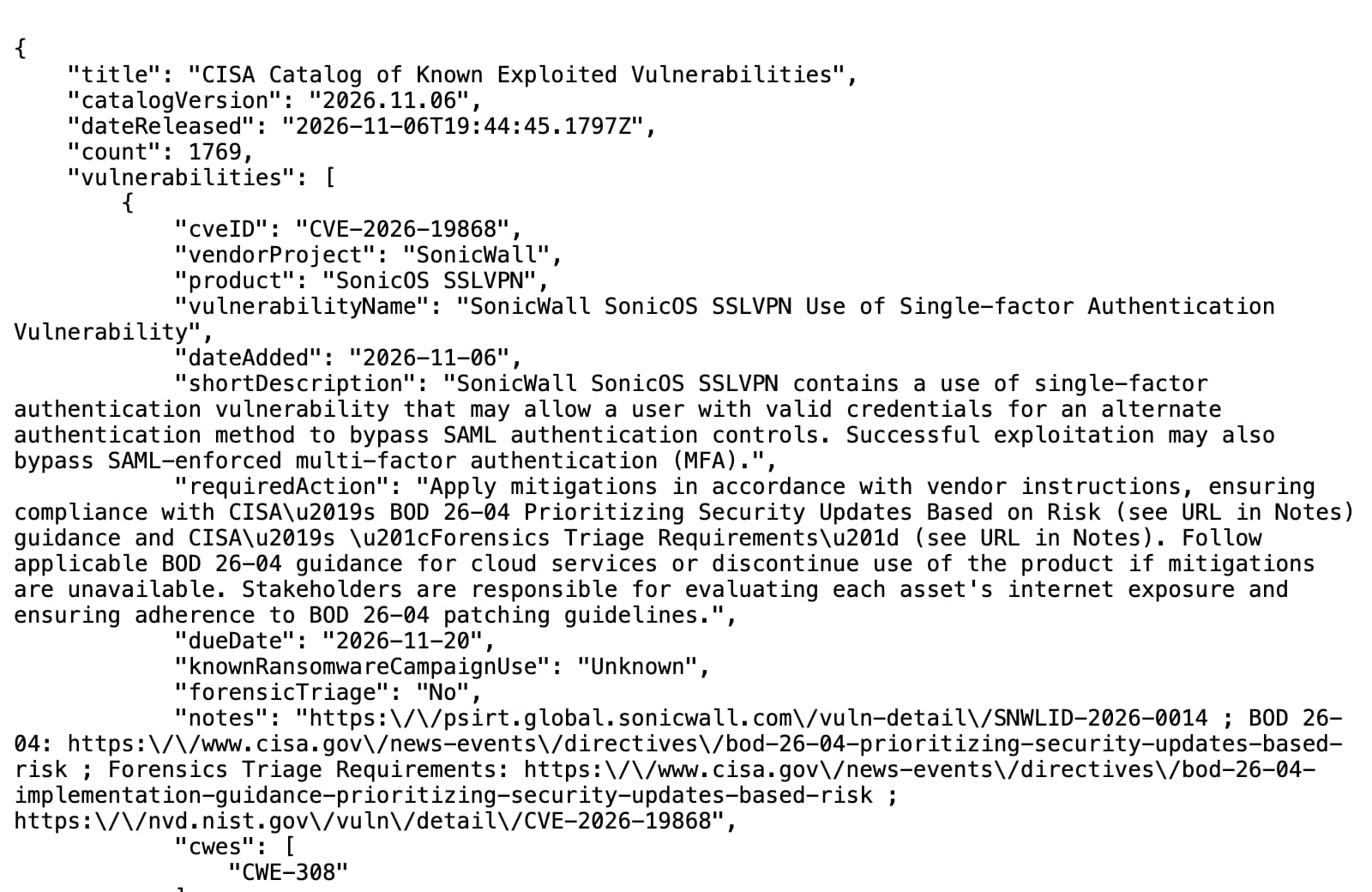
Sansec linked PolyShell to a 471-store attack wave on 30 March; CISA listed the flaw as actively exploited on 27 October. Sansec’s October research describes a broader 953-store campaign, but has not established what its newest malicious code ultimately delivers to shoppers.
What to do this week
- Get a specific answer from your maintainer.Ask: which Adobe Commerce or Magento version do we run, and can you confirm APSB26-73 is installed? Request the patch status, including the July isolated patch where required.
- Have the shop checked for a break-in.Ask for a review of stored page content, unfamiliar administrator accounts, suspicious files and logs. Preserve the evidence before cleanup. If anything is found, bring in someone qualified to investigate what customer information was exposed.
- Remove the attacker’s access.Have the maintainer clean the site, replace compromised credentials and integration keys, apply outstanding fixes and monitor for a return. Get written confirmation of both remediation and patch verification.
- Act on any notice from a shop.Ask what information was affected. If it includes payment details, contact your bank. Check card statements, including for parents whose finances you help manage, and report purchases you did not make immediately. The Australian privacy regulator’s advice[7] explains how the response depends on the information exposed.
What happened
If your family business runs an online shop on Adobe Commerce or Magento, ask its maintainer today to check both the security patch and whether someone has already broken in. On 27 October, the US cybersecurity agency CISA added CVE-2026-48356, known as PolyShell, to its catalogue of flaws being used in attacks[1].
This follows a 30 March report from Sansec[2] that attackers compromised 471 stores through PolyShell in one hour. Its 24 October investigation[3] connects that wave to a broader campaign affecting 953 stores since July 2025, mostly Magento shops. The larger total includes other routes into stores.
- Adobe severity
- Critical
- Attack status
- Listed by CISA on 27 October 2026
- Security bulletin
- APSB26-73, published 14 July 2026
- Owner’s priority
- Verify the fix and check for existing compromise
The full story3 more sections
Who is affected
The immediate job belongs to businesses running Adobe Commerce or Magento Open Source, and the agencies that maintain those shops. Adobe’s bulletin[4] lists Magento Open Source 2.4.9, 2.4.8-p5 and earlier, 2.4.7-p10 and earlier, and 2.4.6-p15 and earlier. Adobe Commerce also lists 2.4.5-p17 and earlier and 2.4.4-p18 and earlier. The installed security patches matter as well as the version number.
For shoppers, the concern is code running inside a shop they trust. Sansec says the attackers changed store pages to load their own scripts and filter out automated security checks. It had not captured the latest final payload, so its report does not establish that this wave stole payment details. Sansec’s findings[3] leave the precise harm to shoppers unresolved.
The fix needs an extra check
Adobe’s APSB26-73 bulletin[4] names these updated releases for both products: 2.4.9-2026-jul, 2.4.8-2026-jul, 2.4.7-2026-jul and 2.4.6-2026-jul. For Adobe Commerce, it also lists 2.4.5-2026-jul and 2.4.4-2026-jul.
Those labels need care. Adobe’s installation instructions[5] say that, for example, a shop on 2.4.7-p10 needs the matching July isolated security patch. Reaching that “-p” version alone is insufficient. Ask the maintainer to check whether Adobe’s cloud-patches package already supplies the fix before applying the isolated patch too.
Adobe’s bulletin, last updated on 11 August, still says it knows of no exploitation. CISA’s 27 October listing is newer evidence. Treat the flaw as actively exploited.
Why a patch is only part of the job
Sansec warns that deleting the injected script does not remove the attacker’s access. Adobe’s incident guidance[6] calls for an investigation, checking administrator accounts and code, resetting credentials and monitoring after cleanup. Ask for evidence that the shop is clean as well as patched.
CISA also listed a separate flaw in Google’s Brotli software, CVE-2026-111497, on 27 October. Ask the hosting team to assess that issue separately; Adobe’s store patch does not replace updates for other affected software.
Timeline
-
HARD publishes its article, at High.
After the news
- How to update every device phones, computers, browsers, TVs and routers
References12
- ^ CISA (). “CISA Known Exploited Vulnerabilities Catalog: official JSON mirror”. Retrieved snapshot records both flaws’ addition on 27 October and ransomware status as Unknown.
- ^ Sansec (). “Mass PolyShell attack wave hits 471 stores in one hour”. Primary report of the 471-store PolyShell attack wave.
- ^ Sansec (). “Magento CMS block loader hits 953 stores”. Connects PolyShell to the broader campaign and documents continuing access.
- ^ Adobe (). “Security update available for Adobe Commerce | APSB26-73”. Product-specific affected and updated versions; critical rating; last updated 11 August.
- ^ Adobe (). “Security update available for Adobe Commerce: APSB26-73 installation guidance”. Explains isolated patches, prerequisite versions, verification and the cloud-patches alternative.
- ^ Adobe (). “Best practices to respond to a security incident”. Supports preserving logs, investigating exposure, removing malicious access, resetting credentials and monitoring.
- ^ Office of the Australian Information Commissioner. “Act quickly if you’re affected by a data breach”. Supports contacting the bank after financial exposure and reporting unauthorised purchases.
- NIST National Vulnerability Database (). “CVE-2026-48356 Detail”. Indexed record gives a 9.3 score, differing from Adobe’s current 9.6.
- CISA (). “CISA Adds Two Known Exploited Vulnerabilities to Catalog”. Supplied report; direct retrieval returned 403. Its reproduction and official catalogue were read.
- Fortify Your SMB, reproducing CISA (). “CISA Adds Two Known Exploited Vulnerabilities to Catalog: reproduced announcement”. Accessible announcement confirming the two additions based on active exploitation.
- The Hacker News (). “Hackers Infect 953 Online Stores With Scanner-Evading JavaScript, Mostly on Magento”. Contemporaneous corroboration of campaign scope and the unknown final payload.
- The Hacker News (). “Adobe Commerce PolyShell Attacks Breach Hundreds of Stores as Brotli Exploit Traffic Emerges”. Supplied report read for cross-checking; postdates the requested editorial cutoff.
Situation Room articles are updated as events develop: updates are added to the timeline, and never edited away. Follow them by email or RSS.